
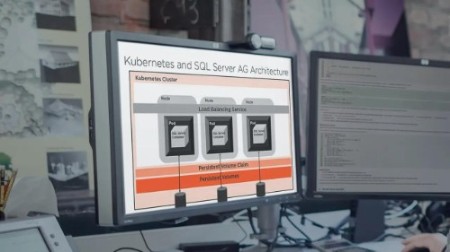
Supporting SQL Server High Availability with Kubernetes
Duration: 2h 46m | .MP4 1280x720, 30 fps(r) | AAC, 48000 Hz, 2ch | 386 MB
Level: Intermediate | Genre: eLearning | Language: English
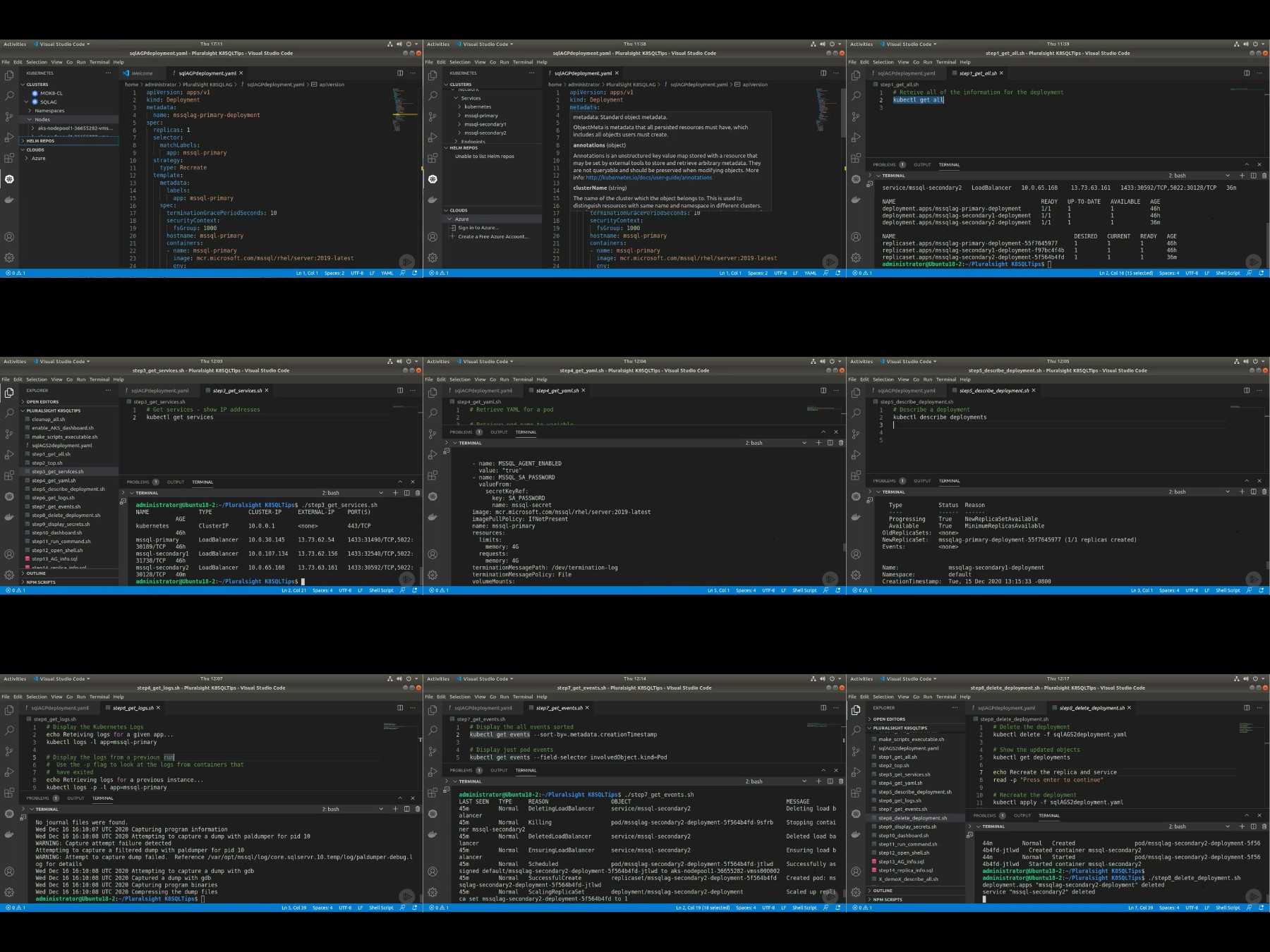
Running SQL Server on Kubernetes is unfamiliar territory for most SQL Server and Kubernetes administrators and developers. In this course, Supporting SQL Server High Availability with Kubernetes, you'll learn how you can deploy SQL Server containers on Kubernetes for high availability. First, you'll get some important background on running SQL Server in a container and how SQL Server containers can be managed using Kubernetes. Here, you'll see how running SQL Server in a container is different from a standalone or virtualized instance as well as getting an understanding of the overall architecture of a SQL Server on Kubernetes solution. Next, you'll dig into the nitty-gritty details showing how Kubernetes can provide high availability for a two-node SQL Server cluster. You'll see the actual YAML and kubectl commands that were used to build the cluster and the persistent storage that SQL Server databases require. Then, we'll dig deeper and you'll see how you can build and run a three-node SQL Server AlwaysOn Availability Group on Kubernetes. Here again, you'll see the YAML and kubectl commands required as well as the T-SQL commands that you can use to build a clusterless Availability Group. Finally, you'll come away with some valuable tips and troubleshooting tools. When you're finished with this course, you'll have a fundamental understanding of how to run SQL Server on Kubernetes and how Kubernetes can provide high availability for SQL Server containers. At the end of this course, you'll come away with 40+ scripts that you can use as a basis for building your own SQL Server and Kubernetes deployments.
RapidGator Please Login or Register to see this code NitroFlare Please Login or Register to see this code UsersDrive